
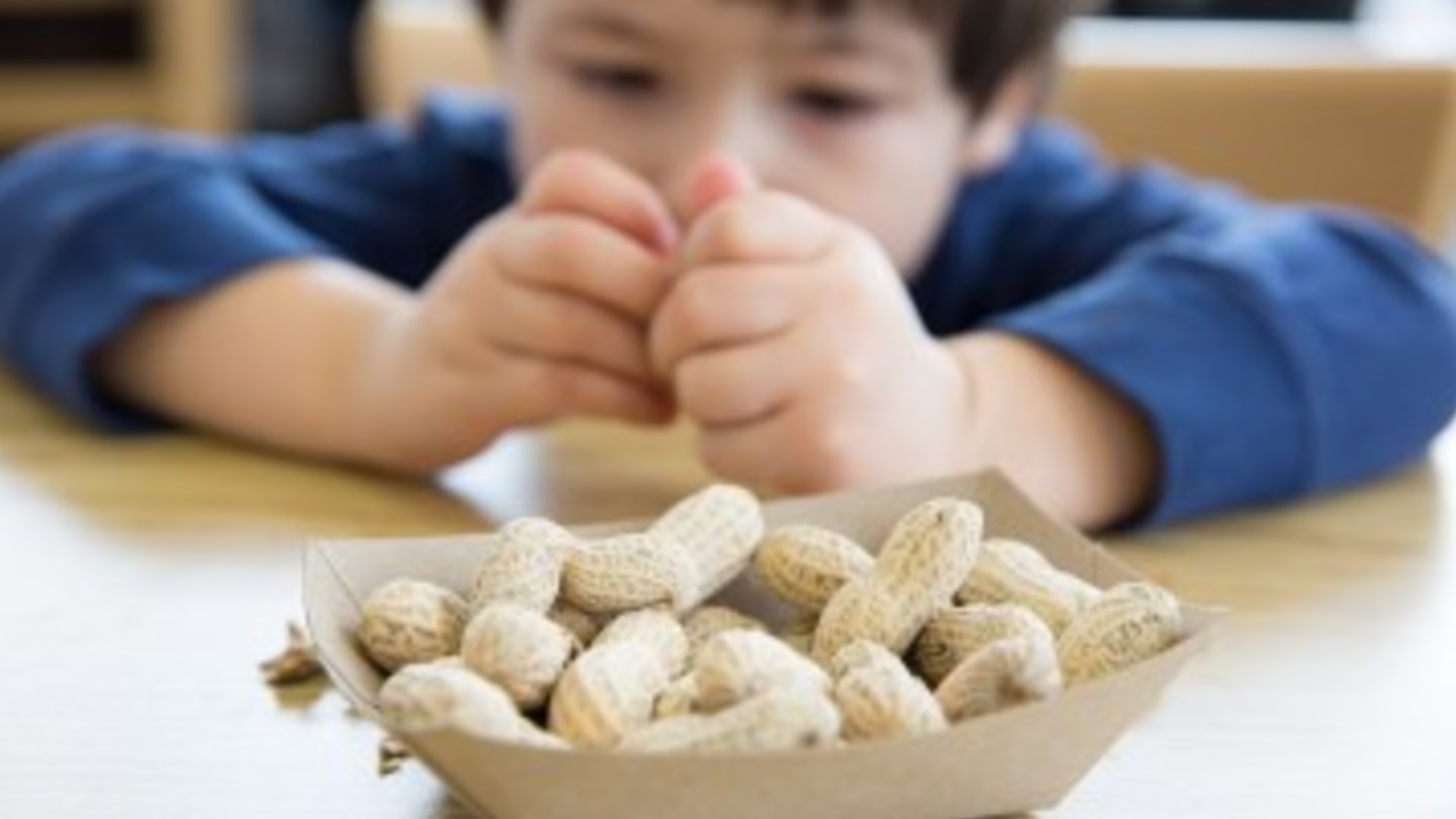
Feeding babies peanuts could cut allergies
A major shift in baby-feeding advice has helped thousands of children avoid peanut allergies. A new study published in Pediatrics shows that early introduction of peanut products to infants has reduced allergy rates nationwide.
The change began after 2015, when experts advised parents to start feeding peanuts to babies as young as four months. The guidance reversed decades of medical advice that had urged parents to delay introducing peanuts until age three.
Researchers found that peanut allergies in children aged 0 to 3 dropped by more than 27% after the 2015 guidance and by over 40% once it expanded in 2017.
“This is remarkable progress,” said Dr. David Hill, an allergist and researcher at the Children’s Hospital of Philadelphia. “There are fewer kids with food allergies today than there would have been without this effort.”
Hill’s team reviewed electronic health records from dozens of pediatric clinics to measure allergy diagnoses before and after the new feeding recommendations. Their analysis shows how public health policy can deliver visible results within a decade.
Since 2015, about 60,000 children have avoided food allergies, including roughly 40,000 who otherwise might have developed peanut allergies. Still, food allergies affect about 8% of U.S. children, with more than 2% reacting to peanuts.
Peanut allergy occurs when the immune system mistakes peanut proteins for harmful substances. The reaction can cause hives, breathing trouble, and sometimes severe anaphylaxis.
The early-feeding approach stems from the 2015 LEAP (Learning Early About Peanut Allergy) trial led by Dr. Gideon Lack at King’s College London. His research showed that giving peanut-based foods to infants cut the risk of future allergy by over 80%. Later studies found the protection lasted through adolescence for about 70% of participants.
Still, practice has lagged behind research. Surveys show that only 29% of pediatricians and 65% of allergists follow the updated guidelines. Many parents remain uncertain about how to safely introduce peanuts.
Dr. Ruchi Gupta of Northwestern University noted that while the latest data may not represent all U.S. children, the trend is encouraging. “Early allergen introduction is gaining ground and making measurable impact,” she said.
Food Allergy Research & Education (FARE), a national nonprofit, welcomed the findings. “This study reinforces the opportunity to reduce peanut allergy nationwide,” said FARE CEO Sung Poblete.
The latest guidance, revised in 2021, advises introducing peanuts and other common allergens like milk, soy, and eggs between four and six months. Dr. Hill recommends giving babies small tastes, such as a dab of peanut butter or yogurt, to help their immune systems adapt safely.
Maryland dietician Tiffany Leon followed these new practices with her two sons. Her mother was surprised, recalling the old rule to avoid peanuts early. But Leon trusted the data. “As a dietician, I rely on evidence,” she said. “When the science changed, so did I.”
Early peanut introduction may seem small, but its public health impact is huge. Thousands of families have gained peace of mind—and children are growing up safer from one of the most common and dangerous food allergies.
#PeanutAllergyPrevention #BabyHealth #ParentingTips #FoodAllergyAwareness #PublicHealth